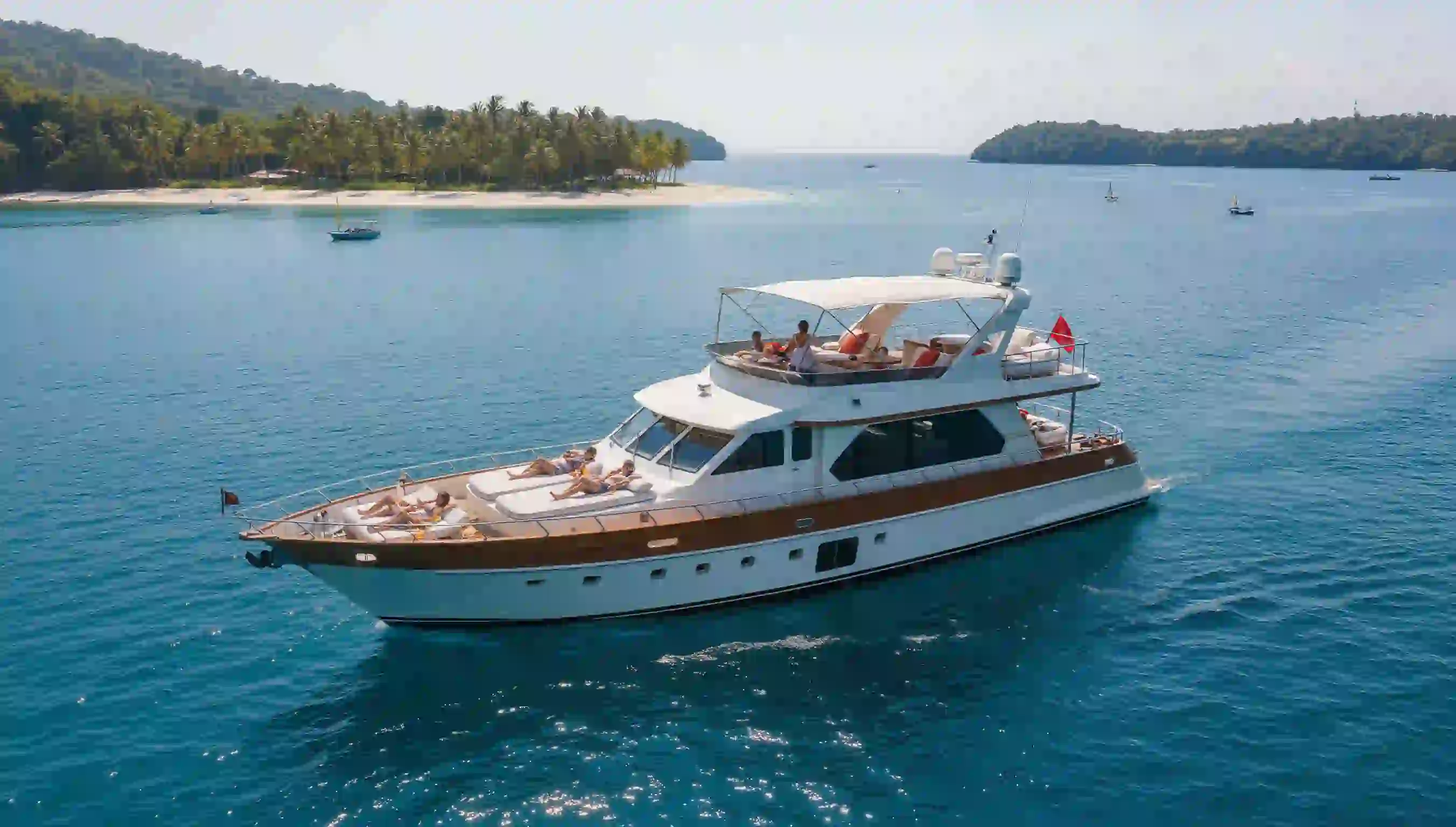
Snorkeling with Mantas at Nusa Penida by Private Boat: Sites and Seasons
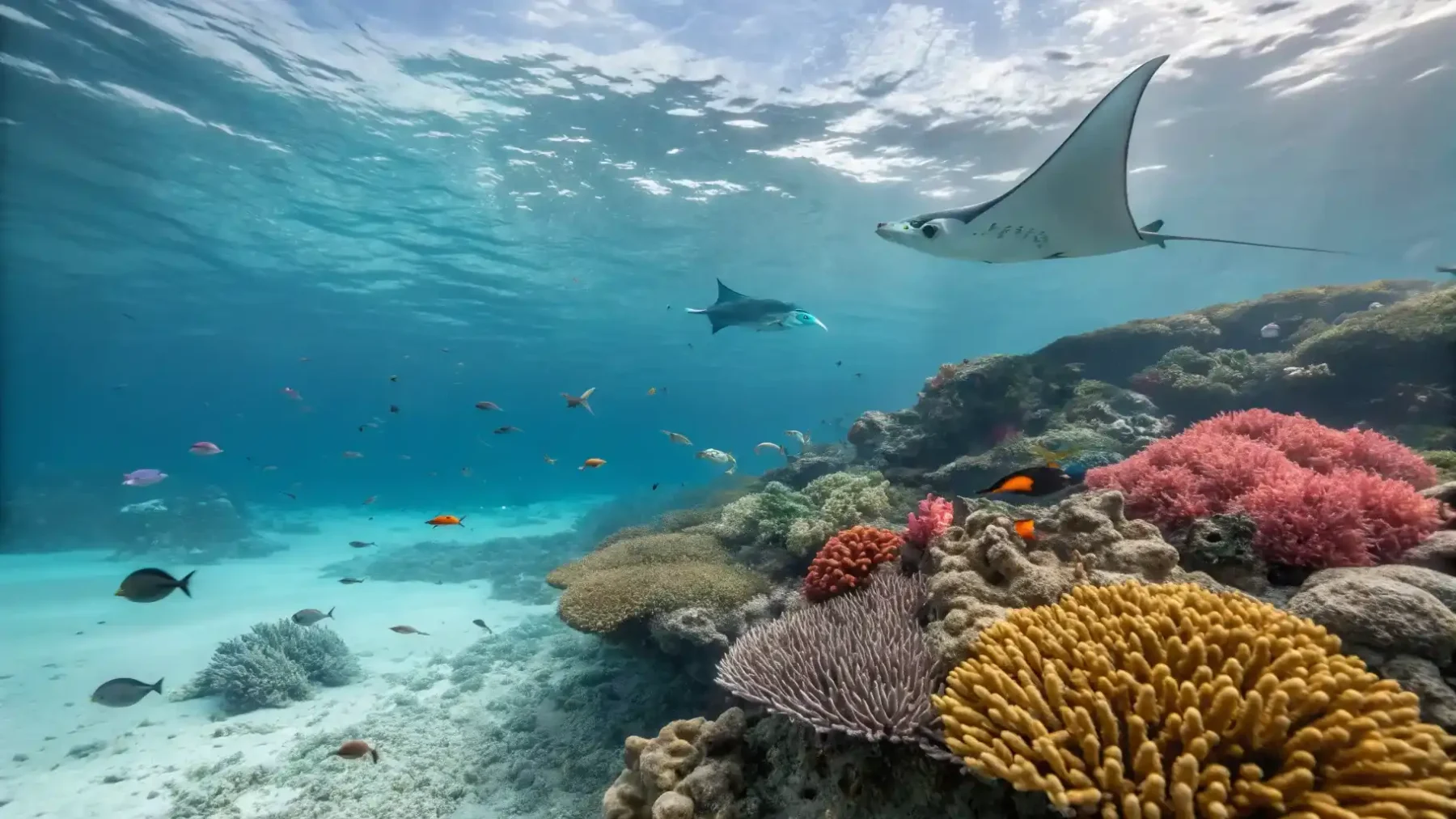
Nusa Penida’s two manta sites behave differently. Manta Point (Batu Lumbung), beneath cliffs on the exposed south coast, is a cleaning station where mantas circle low over the reef while cleaner wrasse work their skin, lingering for extended encounters. Manta Bay, a sheltered cove further along the coast, is a feeding site where mantas cruise through plankton near the surface, often shallow enough to see without duck-diving. Mantas are resident year-round, so there is no strict season; what varies is the sea state, which decides whether a skipper can safely hold position at all.
By private boat, the plan is simple: leave Sanur or Serangan around 07:00, cross the Badung Strait in under an hour, and be in the water by 08:15 to 08:45, ahead of the group-tour fleet, which arrives roughly 09:30 to 10:30. Sightings are frequent but never guaranteed; these are wild animals in a marine protected area. One point of honesty: we are a booking desk, not a boat owner, and arrange the vessel, crew and guide through licensed operators. If the swell forecast makes the coast marginal, we tell you the day before, not on the jetty.
The Two Manta Sites
Manta Point sits off the southern cliffs, fully exposed to Indian Ocean swell. The cleaning station is a cluster of reef heads in 8 to 20 metres of water; mantas rise from deeper reef, circle, and return, sometimes for an hour, giving a patient snorkeller repeated passes rather than one fly-by. Expect surge and chop even on workable days; it is the less forgiving site for weak swimmers.
Manta Bay, toward Broken Beach, is shallower and calmer. Mantas feed here, swimming open-mouthed through plankton near the surface, right where a snorkeller floats; a slightly green or milky sea is often a good sign, since that plankton is why the mantas are there. Encounters feel closer and gentler, the better first site for nervous swimmers or children.
Arrive Before 09:30: The Single Biggest Upgrade
The day-tour fleet from mainland Bali and Toyapakeh runs similar timetables, and Manta Bay is a small cove; several boats unloading at once changes the swim, and engine noise pushes feeding mantas deeper. A private charter fixes this with an earlier alarm: set your own departure time and reach the site an hour before the fleet, with a calmer crossing and cleaner light. A quieter window opens after 14:00, but wind chop is often up by then, so treat it as a bonus, not the plan.
Season Notes: Mantas All Year, Seas That Are Not
Because mantas are resident, planning is about sea conditions, not presence. The table below is a guide, not a promise; your skipper makes the final call each morning.
| Months | South-coast sea state | Water | Practical notes |
|---|---|---|---|
| April – June | Usually friendliest: moderate swell, lighter winds | Around 27–29°C | Best combination of Manta Point access and visibility |
| July – September | Southeast trade winds; larger swell some days | Cooler; upwellings can dip toward 24–26°C | Highest chance of diverting to Manta Bay only; ask for 3 mm wetsuits |
| October – November | Winds ease, seas often settle | Around 27–29°C | Quiet shoulder period, midweek dates especially calm |
| December – March | Wet season: squalls and variable wind | Warmest, 28–30°C | Mornings workable most days; build slack into the schedule |
Currents and Surge: What Your Skipper Is Watching
Currents around Nusa Penida run genuinely strong, part of the Indonesian Throughflow into the Indian Ocean. At the sites the current is usually manageable, since boats sit in the lee of the reef, but Manta Point adds surge toward the cliff base. Stay with the guide, wear fins even as a strong swimmer, and use a float if unsure. A private boat’s real edge is patience: it can wait out a swell set or swap the site order, which a group boat rarely can.
Manta Etiquette
Nusa Penida’s waters are a marine protected area, and encounters follow a brief code your guide explains first: keep about three metres away, never touch or chase, approach from the side, and skip the flash. A still snorkeller is often rewarded with a close pass; swimmers who chase usually see the animal once.
The Shape of a Private Manta Day
A typical routing: depart Serangan at 07:00, swim Manta Bay around 08:15, move to Manta Point by 09:30 if conditions allow, then cross to Crystal Bay for a reef snorkel over lunch. This is the plan behind our private day yacht charter to Nusa Penida. If mantas are the whole point, an overnight yacht charter at Nusa Penida buys two early-morning windows instead. Weighing mantas against Bali’s other options, our guide to snorkelling in Bali puts the sites side by side.
What It Costs
Rates move with the vessel: small speedboats for six to eight guests generally run USD 450 to 900 for the day, mid-size motor yachts and catamarans with crew and lunch typically USD 1,200 to 3,500, and larger yachts sit above that. Gear, fuel and crew are normally included; park fees are sometimes billed separately, so ask for an all-in price.
Tell us your dates, group size and swimming confidence on WhatsApp at +62 811-3941-4563 or by email at bd@juaraholding.com, and we will match you with the right boat, book the early slot, and give you a straight read on the forecast.